Spotting an AI-generated image used to be easy. Count the fingers. If the person had six on one hand and three on the other, congratulations — you found it.
That era lasted about four months. Then AI fixed the fingers.
The golden age of obvious AI
Somewhere around early 2023, AI images had a signature. The hands were the classic giveaway — melted, fused, mathematically wrong in ways that made you viscerally uncomfortable. Eyes floated slightly off center. Backgrounds dissolved into soft impressionistic soup if you looked too close. Ears were suggestions rather than ears.
It was almost charming. You could always find the tell if you squinted hard enough. The image was trying, and failing, in ways you could point to. Three-eyed politicians. Hands that looked like they lost an argument with a blender. There was an entire genre of "spot the AI" posts and they were genuinely fun.
Simple times.
What happened next
AI didn't take years to close that gap. It took months.
Now the hands have the right number of fingers. The lighting is consistent. The skin texture is correct. The background holds up under scrutiny. The person in the photo looks like a person — not a fever dream of what a person might vaguely resemble.
We went from "that's obviously fake" to "I genuinely cannot tell" faster than anyone expected. And not just with images — videos, voices, entire interviews. The uncanny valley that used to protect us is gone. AI walked right through it.
The experts
This is the part that gets me.
We now have experts. People who appear on television, sit across from an anchor, look at a photograph, and tell us — with authority, with credentials — whether what we're seeing actually happened or was generated on a server somewhere.
We created a profession for this. A whole field of people whose job, their actual job, is to tell us whether our eyes are lying.
Think about what that sentence means. We needed to hire specialists to do what used to be called "looking at a photo."
Does being real still mean anything?
We used to say "I'll believe it when I see it."
Now we see it. We squint. We send it to three people. We wait for the expert verdict. We still aren't sure.
The question used to be whether you could trust the source. Now the question is whether you can trust the image itself — the pixel-level reality of what's in front of you. That's a different kind of problem. It's not a technical problem, really. It's a philosophical one.
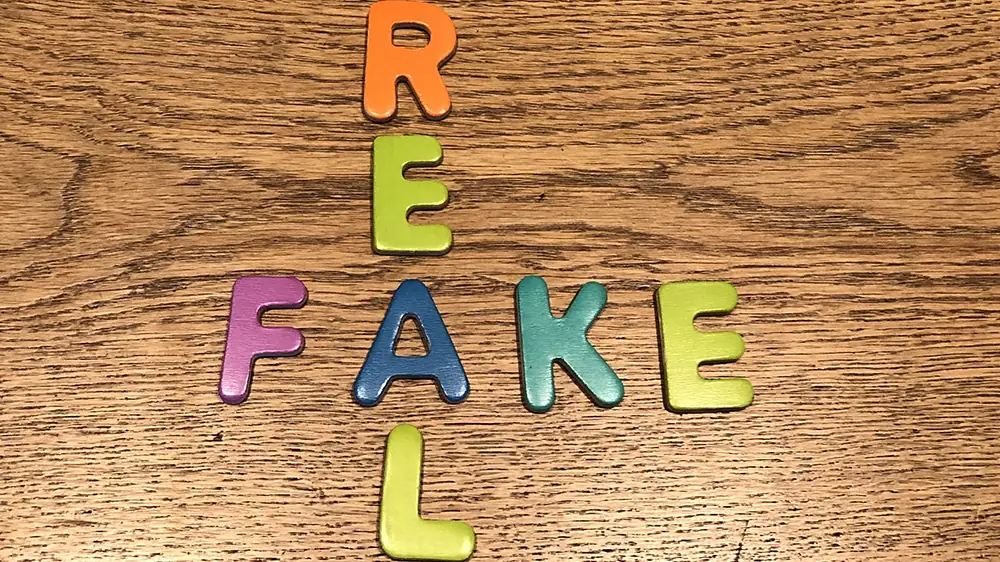
At some point you stop asking "is this real?" and start asking something much harder: does being real still mean anything?
I don't have an answer. Neither do the experts on TV, if you watch them long enough.
But I do know this: the next time you see something that surprises you, something that seems too dramatic, too perfect, or too convenient — the instinct you're feeling, that slight squint, that half-second pause before you decide to believe it — hold onto that. It might be the most valuable reflex you develop this decade.